How Green Innovation Is Transforming Modern Living
Is it possible to build a structure that saves both time and labor, while also being environmentally friendly? Can living spaces be designed to be safe, comfortable, and full of creative possibilities? The answer lies in container architecture—a new generation of modular buildings that is reshaping the way people live, work, and build.
What Is Container Architecture?
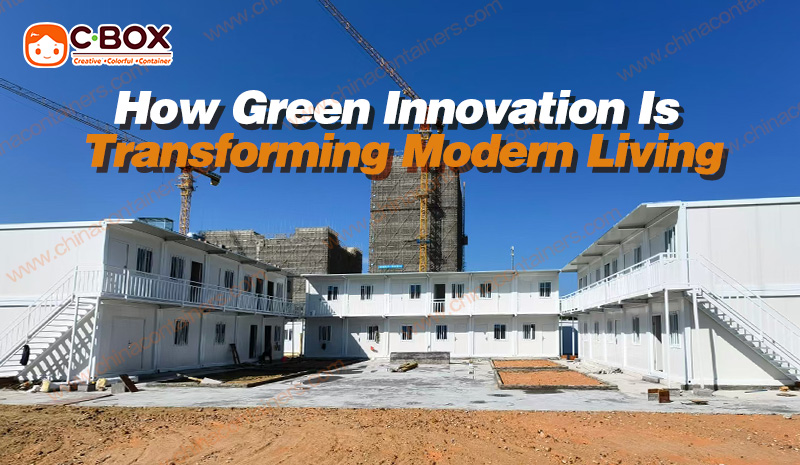
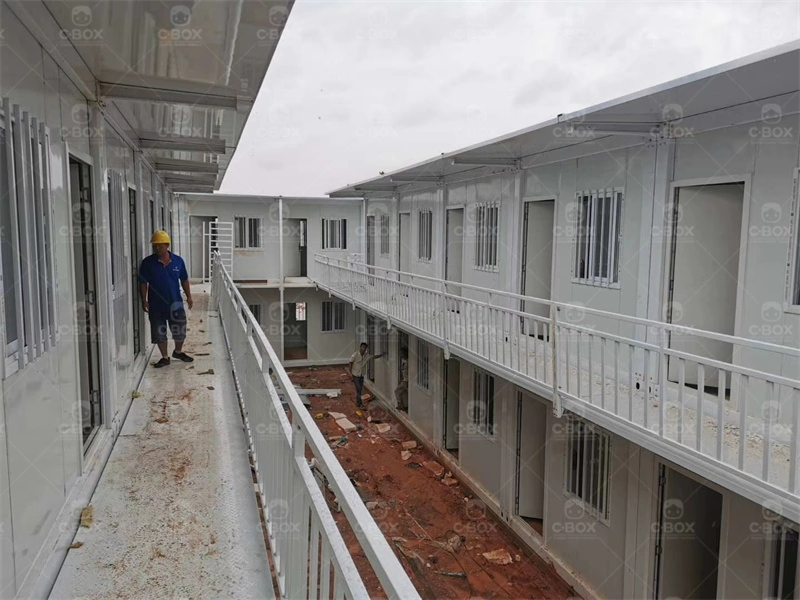
Container architecture uses shipping containers as basic modules. Each unit is manufactured in a factory, where structural construction and interior decoration are completed using assembly‑line processes. Once ready, these modules are transported to the construction site and quickly assembled into functional spaces.
The versatility of container architecture allows for the creation of diverse building types: hotels, residences, schools, dormitories, factories, warehouses, and even exhibition halls. Much like electric vehicles and wireless internet, container housing is considered one of the most impactful innovations of the coming decade—changing lifestyles through efficiency, sustainability, and creativity.
Efficiency Compared to Traditional Construction
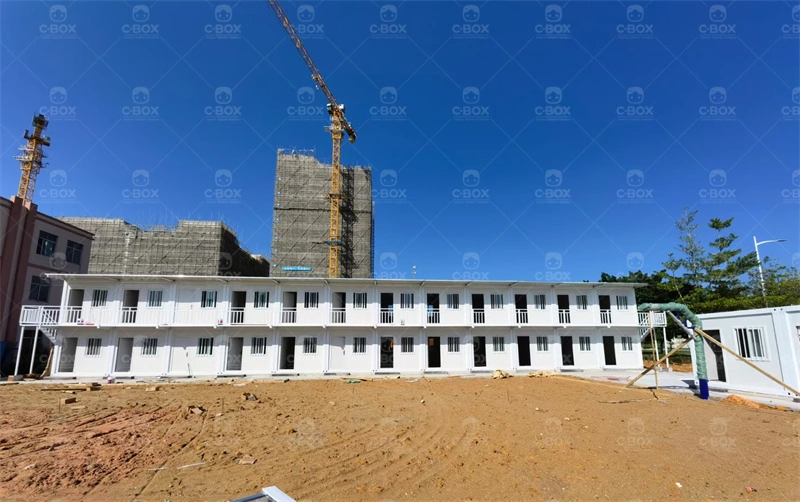
Traditional construction requires building from the ground up, brick by brick, with long timelines and high labor costs. In contrast, container architecture integrates prefabricated modules into a streamlined system:
Rapid assembly: Construction time is reduced by more than 60%.
Labor savings: Mechanized production cuts labor costs by at least 70%.
Improved safety: Factory‑controlled production ensures better quality management, safer material storage, and reduced on‑site risks.
By shifting from manual to mechanized production, container architecture delivers faster, safer, and more cost‑effective results.
Sustainability and the Circular Economy
One of the greatest strengths of container architecture is its alignment with green building principles. Instead of relying heavily on steel and concrete, it repurposes existing shipping containers as structural modules.
Resource efficiency: The inherent strength of container steel columns and side walls is fully utilized.
Reduced material use: Modular combinations minimize the need for additional steel and concrete.
Environmental protection: Energy conservation and waste reduction are achieved through recycling and reusing materials.
This approach supports the development of a circular economy, ensuring that construction is not only efficient but also environmentally responsible.
Innovation Changing Lives
Container architecture is more than a building method—it is a lifestyle innovation. By offering flexible, customizable, and eco‑friendly solutions, it meets the growing demand for sustainable urban development. Whether used for housing, education, industry, or public services, container buildings embody the future of construction: fast, green, safe, and adaptable.
Conclusion
Container architecture represents a new generation of building technology that combines efficiency, sustainability, and creativity. By transforming shipping containers into modular housing units, it reduces construction time, saves labor costs, and supports environmental protection. As cities and communities continue to evolve, container architecture will play a vital role in shaping greener, smarter, and more livable spaces.





 รองรับเครือข่าย ipv6
 CALL US : +86 13631414627
 EMAIL : sales906@cbox.ltd


